- Company News
Elevaid and ANAU Partner to Create a GreenhouseOS Demonstration Site
- By Armen Grigorian
The planned demonstration greenhouse will support practical testing, research, education and engagement with growers.
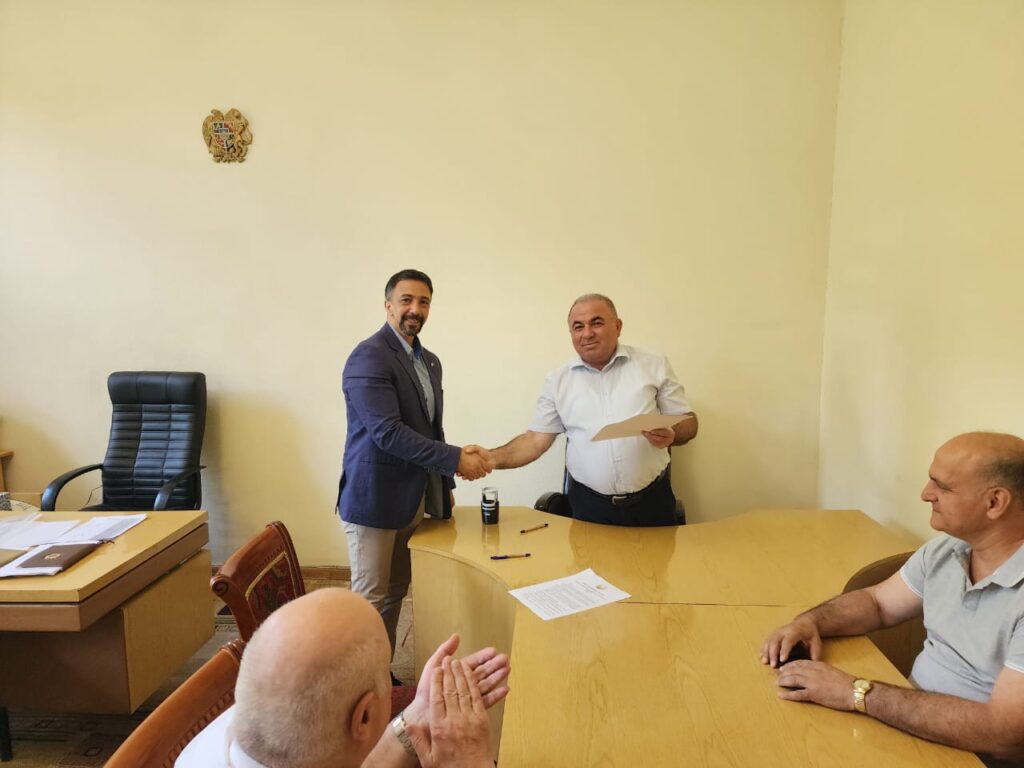
Elevaid and the Armenian National Agrarian University (ANAU) have signed a Memorandum of Understanding to cooperate on intelligent greenhouse technology and the practical application of GreenhouseOS.
A central objective of the collaboration is to establish a GreenhouseOS demonstration site within an ANAU greenhouse. The planned site will provide a real production environment where technology, agronomic knowledge and education can come together.
Through the partnership, Elevaid and ANAU aim to test and further develop intelligent greenhouse solutions under local conditions while creating opportunities for students, researchers, agricultural professionals and growers to engage with the technology in practice.
Connecting technology with agronomic knowledge
The planned demonstration greenhouse will allow GreenhouseOS to be evaluated under real operating conditions.
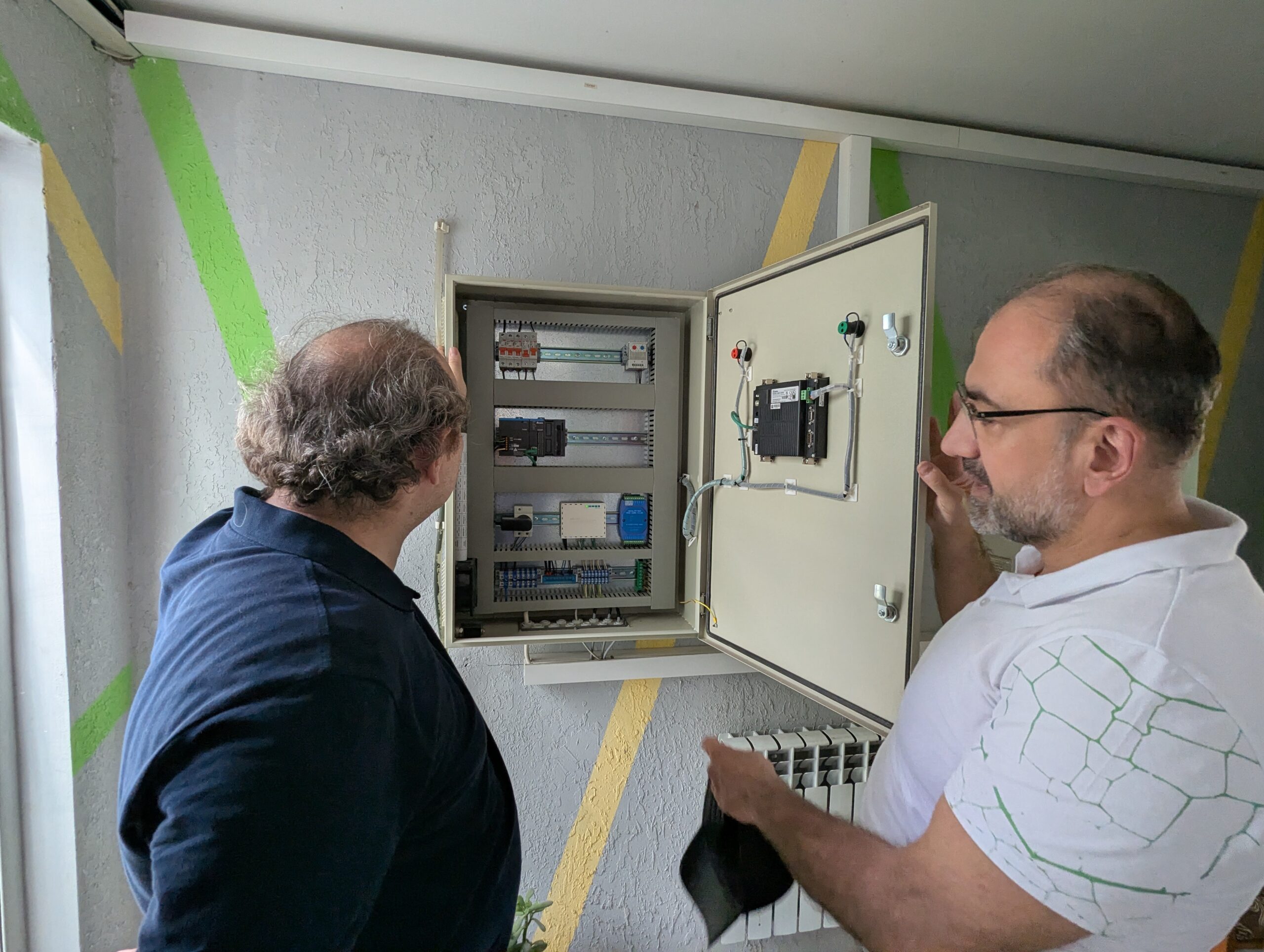
Before deployment, Elevaid and ANAU will assess the greenhouse infrastructure, available sensors, control equipment and production requirements. This will help determine how GreenhouseOS should be configured for the site and which areas of greenhouse management should be prioritised.
The demonstration environment is expected to support practical work in areas such as:
- Collecting and combining greenhouse climate, irrigation and operational data
- Connecting GreenhouseOS with existing sensors and control equipment
- Monitoring how greenhouse conditions change throughout the day
- Testing alerts and operational recommendations
- Recording crop observations from agronomists and greenhouse workers
- Comparing different greenhouse management approaches
- Improving the platform using feedback from real users
The purpose is not simply to demonstrate a piece of technology. It is to understand how an intelligent operating system can support everyday greenhouse management and deliver practical value under actual production conditions.
Supporting research and education
The ANAU demonstration site is also intended to function as a practical learning environment.
Students and researchers will be able to work with real greenhouse data and examine how climate, irrigation, crop development and management decisions interact. This can help connect academic knowledge with the operational realities of greenhouse production.
The collaboration may support student assignments, applied research and joint analysis of greenhouse data and management strategies. Over time, experience from the site can also contribute to the development of case studies, operating protocols, teaching materials and other practical resources.
For Elevaid, engagement with ANAU researchers, faculty members and students will provide valuable agronomic input for the continued development of GreenhouseOS. It will help ensure that the platform’s recommendations and control capabilities are built on both technical evidence and crop-specific knowledge.
PURPOSE SYSTEM
The purpose is to create a place for growers to see the technology in practice and understand how an intelligent operating system can support everyday greenhouse management and deliver practical value under actual production conditions.
Bridging the Gap
Adopting new agricultural technology can be difficult when growers have no opportunity to see how it works in a greenhouse similar to their own.
The planned demonstration site can help close this gap by creating a place where growers and agricultural professionals can observe GreenhouseOS in operation, discuss its application and assess its relevance to their own production systems.
Future activities may include demonstration visits, practical training sessions and exchanges involving growers, agronomists, students, researchers and extension professionals.
These activities can also create a valuable feedback loop. Growers can share the challenges they face in daily production, while researchers and technology developers can use this input to improve the system and focus on the problems that matter most in practice.
Building greenhouse innovation through collaboration
The partnership with ANAU reflects Elevaid’s approach to agricultural innovation: developing technology with the institutions, experts and growers who will use it.
Greenhouses vary widely in structure, crops, equipment and management practices. A system intended to support them must therefore be adaptable, practical and capable of working with existing infrastructure.
The next steps will include assessing the technical conditions of the ANAU greenhouse, defining the initial deployment requirements and agreeing on the priority activities for the demonstration site.
The partnership represents an important step towards making intelligent greenhouse management more accessible while strengthening cooperation between agricultural education, research and applied technology in Armenia.